
Highlights:
- Keep indoor humidity between 30 and 50 percent year-round — going above or below that range invites mold, allergies, dry skin, and damage to wood and paint.
- Summer and winter require opposite strategies: dehumidify and run the AC consistently in summer, humidify and seal drafts in winter.
- Use a hygrometer instead of guessing — relying on how a room “feels” is unreliable since temperature and humidity affect your senses together.
- Different rooms need different approaches — bathrooms, kitchens, basements, and laundry rooms all generate or trap moisture differently and need targeted ventilation.
- Small daily habits (running exhaust fans, fixing leaks quickly, clearing gutters) prevent most humidity problems before they start.
- Your home’s insulation, windows, and sealing quality play a huge role in how easy or hard it is to control humidity consistently.
- Call a professional if you see major mold growth, persistent basement dampness, or an HVAC system that can’t keep up — catching issues early is cheaper than waiting.
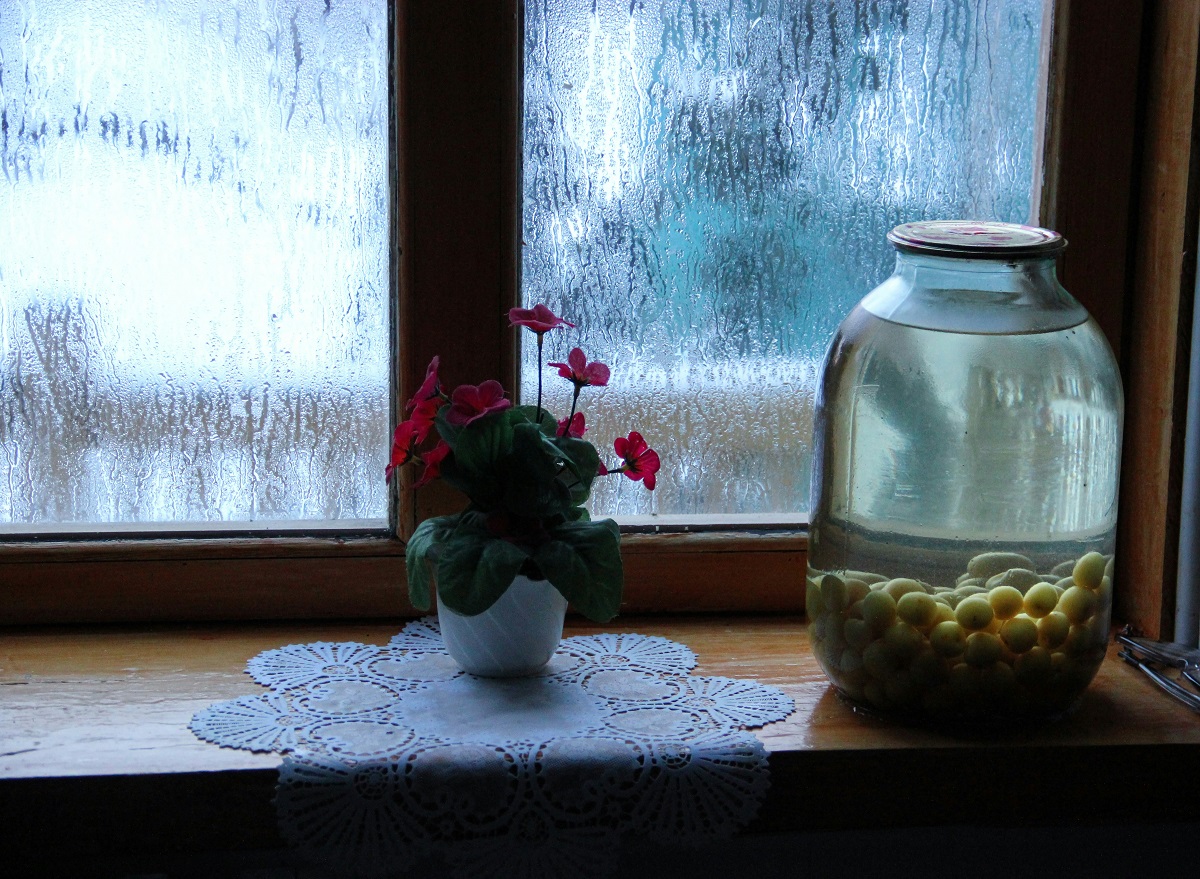
If you’ve ever walked into your house and immediately felt sticky, or noticed frost forming on the inside of your windows in January, you already know that humidity is one of those things you don’t think about until it’s a problem. Most people focus on temperature when they think about home comfort, but humidity is doing just as much work behind the scenes. It affects how you sleep, how your skin feels, whether your wood floors warp, and even how much mold shows up in your bathroom grout. The good news is that humidity is manageable once you understand what’s actually happening in your home across the year. This guide breaks it down season by season so you’re not guessing anymore.
What Exactly Is Indoor Humidity, and Why Does It Matter So Much?
Humidity is simply the amount of water vapor floating around in the air. Indoors, that moisture comes from a surprising number of sources: cooking, showering, breathing, houseplants, laundry, and even the ground beneath your foundation. The ideal indoor humidity range for most homes sits between 30 and 50 percent. Go above that and you’re inviting mold, dust mites, musty smells, and that clammy, heavy feeling in the air. Drop below it and you’ll deal with dry skin, static shocks, cracked wood furniture, and irritated sinuses. Humidity isn’t just a comfort issue either. It’s tied directly to the long-term health of your house. Excess moisture can warp drywall, peel paint, rot wood framing, and corrode metal fixtures over time. On the flip side, air that’s too dry can shrink wood flooring and trim, leaving gaps and cracks that are annoying to fix. This is why humidity control isn’t a luxury upgrade, it’s basic home maintenance.
Why Does Humidity Change So Much Between Seasons?
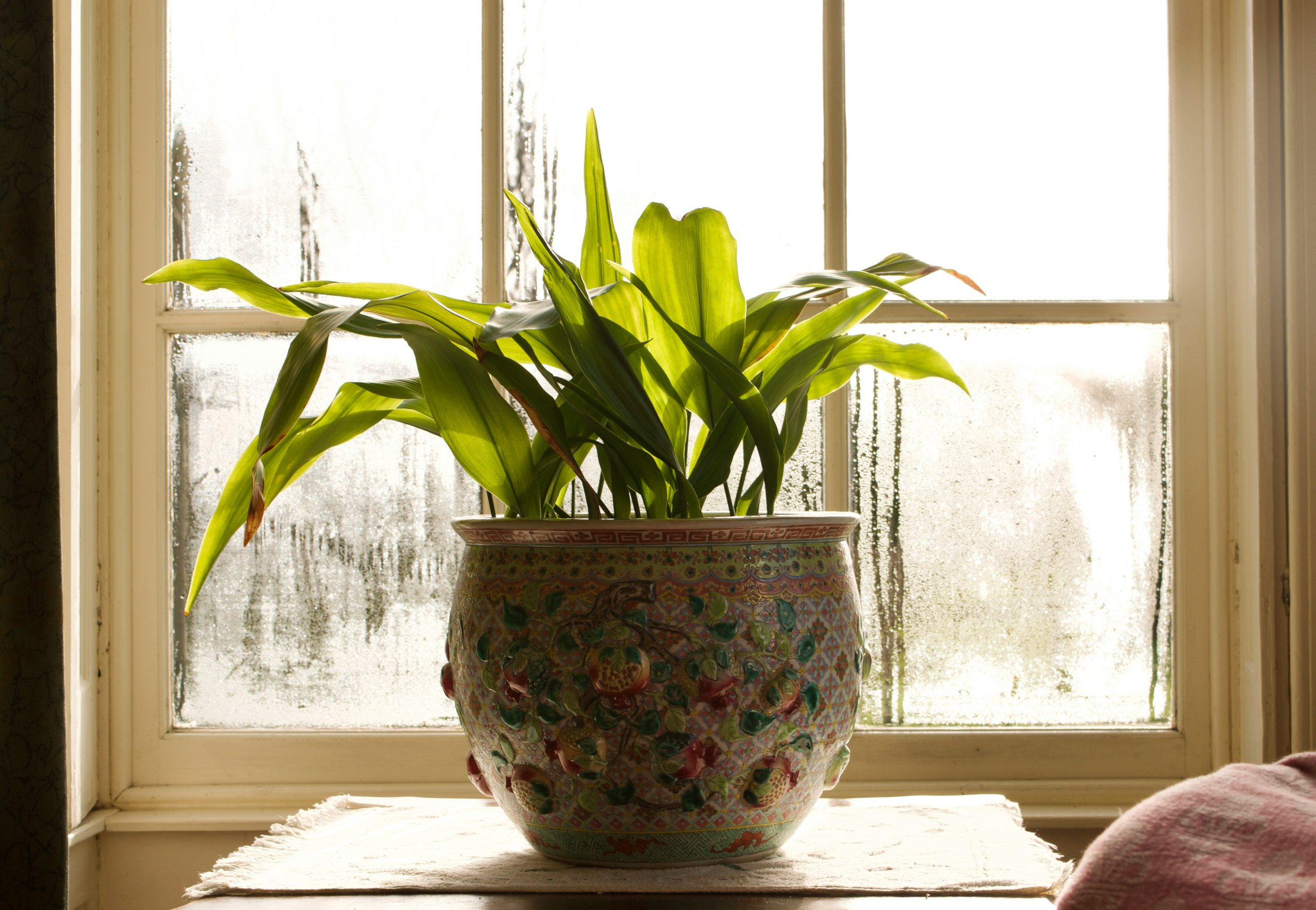
Outdoor air holds different amounts of moisture depending on the temperature, and your indoor air is constantly exchanging with the air outside through windows, doors, vents, and tiny gaps you don’t even notice. Warm air can hold a lot more water vapor than cold air, which is why summer feels sticky and winter feels dry. When you heat cold winter air indoors, its relative humidity drops even further because warming air increases its capacity to hold moisture without adding any actual moisture to it. That’s the science behind why your skin cracks in January and your basement smells musty in July.
How Do You Control Humidity in the Summer?
Summer humidity is usually the more noticeable problem because it makes rooms feel hotter than they actually are and creates the perfect environment for mold and mildew. Here’s how to keep it in check:
- Run your air conditioner consistently rather than turning it on and off throughout the day. AC units remove moisture as a byproduct of cooling, so consistent operation keeps humidity steadier.
- Use exhaust fans in the kitchen and bathroom every single time you cook or shower. These small habits prevent a huge amount of moisture from ever spreading through the house.
- Consider a standalone dehumidifier for basements, laundry rooms, or any space that tends to feel damp even when the rest of the house is fine.
- Fix any leaks around windows, pipes, or the roof before summer storms roll in, since standing water and slow leaks are humidity’s best friend.
- Keep gutters clean and grading around your foundation sloped away from the house so rainwater doesn’t seep into crawl spaces.
- Avoid air-drying laundry indoors during humid months, since wet clothes release a surprising amount of moisture into the air as they dry. A properly sized air conditioner matters here too. An oversized unit cools the room quickly but shuts off before it has time to pull enough moisture out of the air, which leaves you cold and clammy at the same time. If your AC cycles on and off constantly and your home still feels damp, it might be worth having an HVAC technician check whether the unit is sized correctly for your square footage.
What About Winter? Why Does the Air Feel So Dry?
Winter flips the script entirely. Once you start running the furnace, indoor humidity can plummet, sometimes down into the teens or single digits if your home is drafty and poorly insulated. That’s dry enough to crack wood furniture, dry out houseplants, and leave your skin feeling like sandpaper by February. To fight winter dryness:
- Use a whole-house humidifier attached to your HVAC system if you want consistent, low-maintenance results across every room.
- Place portable humidifiers in bedrooms or living spaces if a whole-house system isn’t in the budget right now.
- Keep houseplants around, since they naturally release moisture into the air through transpiration.
- Boil water on the stove or run a pot of water near a heat source occasionally to add a little moisture back into dry rooms.
- Avoid over-humidifying, because condensation on cold windows in winter is a sign you’ve gone too far and moisture is starting to collect where it shouldn’t.
- Check weatherstripping around doors and windows, since drafts pull in cold, dry outdoor air that lowers your indoor humidity even further. One thing people often overlook is that winter humidity problems and drafts are connected. If cold air keeps sneaking in through gaps around windows and doors, your furnace has to work harder and the air inside dries out faster. Sealing those gaps is one of the simplest steps toward protecting and improving your home while also saving on heating costs.
Is There a Best Humidity Level for Every Season, or Does It Change?
The target range doesn’t really change season to season, but how hard you have to work to hit it does. In summer, you’re usually fighting to bring humidity down from somewhere in the 60 to 80 percent range. In winter, you’re often trying to bring it up from somewhere in the teens or twenties. The 30 to 50 percent sweet spot stays the same, but your tools and strategy flip depending on the time of year. A simple hygrometer, which is a small humidity gauge that costs very little, takes the guesswork out of this entirely. Place one in a few rooms, especially the basement and any bedroom, and check it periodically. Guessing based on how a room “feels” is unreliable because temperature and humidity trick your senses together.
What Are the Warning Signs of a Humidity Problem?
Sometimes humidity issues creep up slowly and you don’t notice until something goes wrong. Watch for these signs:
- Condensation on windows, especially in the morning
- A musty smell in basements, closets, or bathrooms
- Visible mold or mildew spots on walls, ceilings, or grout
- Peeling paint or wallpaper
- Warped wood flooring or doors that suddenly stick
- Static shocks and dry, cracked skin during winter
- Increased allergy or respiratory symptoms indoors If you notice several of these at once, it’s worth doing a full walkthrough of your home rather than treating each symptom individually, since they’re usually connected to the same underlying moisture issue.
Does Every Room Need the Same Humidity Approach?
Not really. Different rooms in your house have different natural humidity tendencies, and treating them all the same way usually backfires.
- Bathrooms generate the most moisture per use and need strong exhaust fans that vent outside, not just into the attic.
- Kitchens produce steam from cooking and dishwashing, so range hoods that actually vent outdoors make a noticeable difference.
- Basements sit below grade and are naturally cooler and damper, often needing a dedicated dehumidifier year-round regardless of season.
- Bedrooms benefit from moderate humidity for better sleep quality, so a small humidifier in winter is often worth it.
- Laundry rooms release a lot of moisture during drying cycles, so proper venting for your dryer is essential and often overlooked.
- Attics need good ventilation to prevent trapped moisture from condensing on the underside of the roof deck, which can lead to hidden mold over time.
Can Your Home’s Building Materials Affect Humidity Control?
Absolutely, and this is where a lot of homeowners get surprised. Older homes with poor insulation, single-pane windows, or no vapor barrier in the crawl space are going to fight you no matter how many gadgets you buy. Newer or renovated homes with proper insulation, sealed crawl spaces, and modern windows hold their humidity levels far more consistently because they’re not constantly exchanging air with the outside. If you’re already planning updates to your home, this is a good moment to think bigger picture. Adding proper insulation, upgrading windows, or installing a vapor barrier in a crawl space isn’t just about humidity, it’s part of remodeling for comfort and wellness that pays off in energy bills, air quality, and long-term durability of the structure itself. A lot of humidity problems that seem mysterious actually trace back to a building envelope that was never sealed correctly in the first place.
What Tools Actually Help With Year-Round Humidity Control?
There’s no single gadget that solves everything, but a combination of a few tools covers most homes well:
- A hygrometer for monitoring, so you’re working with actual numbers instead of guesses
- A dehumidifier for summer months or damp spaces like basements
- A humidifier for winter months or dry climates
- A well-maintained HVAC system with clean filters, since a clogged system struggles to regulate moisture properly
- Exhaust fans in bathrooms and kitchens that vent outside rather than into attics or crawl spaces
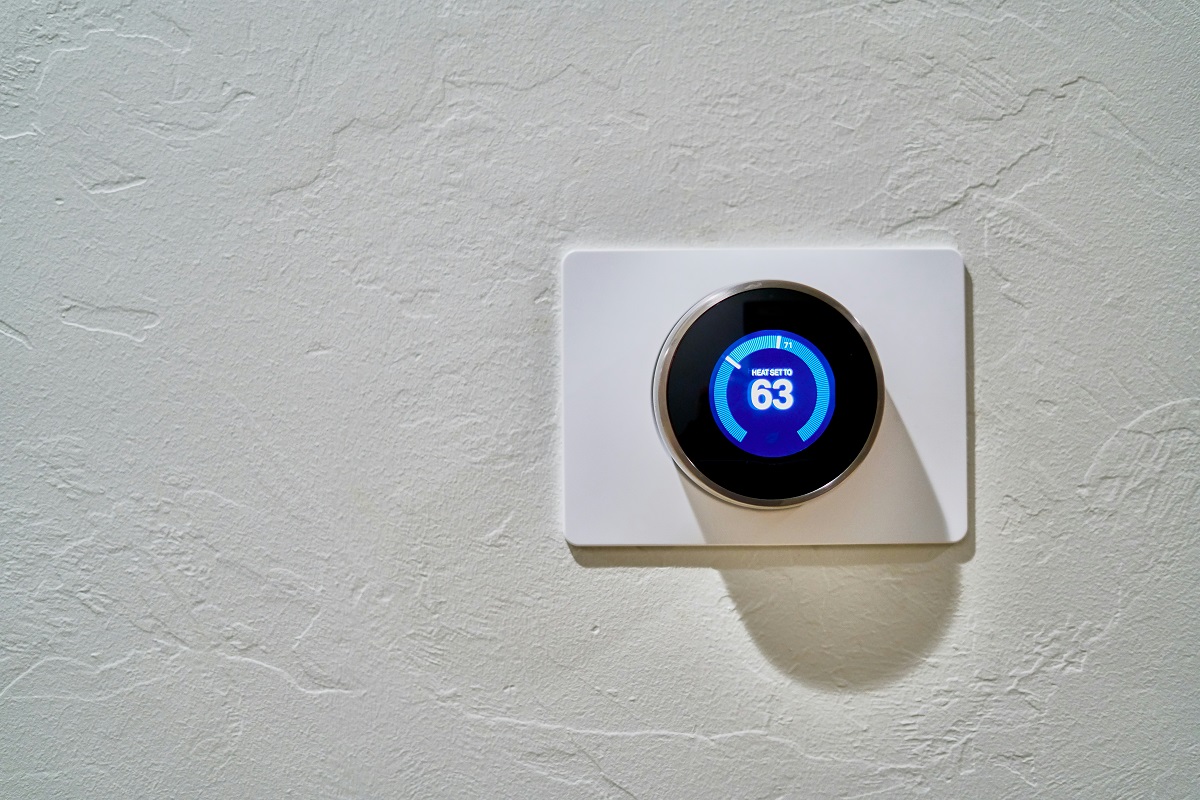
- A programmable thermostat with humidity control features, which many modern smart thermostats now include Whole-house systems tend to be more effective than portable units because they treat the entire home evenly instead of creating pockets of comfort near a single machine. If you’re dealing with humidity issues across multiple rooms, it might be worth the investment even though the upfront cost is higher than a portable unit.
How Does Climate Affect Your Humidity Strategy?
Where you live changes the whole equation. Homes in humid coastal or southern regions often deal with excess moisture nearly year-round, meaning dehumidification might be a constant need rather than a seasonal one. Homes in dry, arid climates might rarely need a dehumidifier at all but struggle with dryness even in summer. Homes in regions with four distinct seasons, like much of the Midwest and Northeast, tend to swing hardest between the two extremes, needing both tools depending on the month. If you recently moved to a new region, it’s worth spending the first year paying close attention to how your home responds, since previous experience in a different climate might not translate directly.
Are There Simple Daily Habits That Make a Real Difference?
Small daily habits add up more than people expect:
- Always use exhaust fans when cooking or showering
- Fix leaks and drips as soon as you notice them rather than waiting
- Keep gutters and downspouts clear so rainwater drains away from the foundation
- Open windows briefly on mild, dry days to let stale indoor air exchange with fresh outdoor air
- Avoid overwatering houseplants, since soggy soil adds unnecessary moisture to the air
- Check under sinks and around appliances periodically for hidden slow leaks None of these habits require a big investment, but they prevent a huge percentage of the humidity issues homeowners deal with. Most humidity problems build up slowly from small, ignored sources rather than one dramatic event.
When Should You Call a Professional?
Some humidity issues are simple enough to fix with a dehumidifier or better ventilation habits. Others point to a bigger issue that needs an expert. Consider calling a professional if:
- You see visible mold growth larger than a small patch
- Your basement floods or stays damp even after fixing obvious leaks
- Your HVAC system can’t seem to keep up no matter how you adjust it
- You notice structural signs like sagging floors, warped framing, or a persistent musty smell you can’t trace
- Your energy bills are climbing steadily without a clear explanation A home inspector, HVAC technician, or mold remediation specialist can pinpoint what’s going on far faster than trial and error, and catching these issues early is almost always cheaper than waiting.
Getting humidity right isn’t about buying every gadget on the market, it’s about understanding what your home needs at different times of year and building small habits that keep things balanced. Pay attention to the signs your home is giving you, adjust your approach as the seasons shift, and don’t be afraid to bring in help when something feels bigger than a quick fix. A little consistency goes a long way toward a home that feels comfortable no matter what the weather outside is doing.