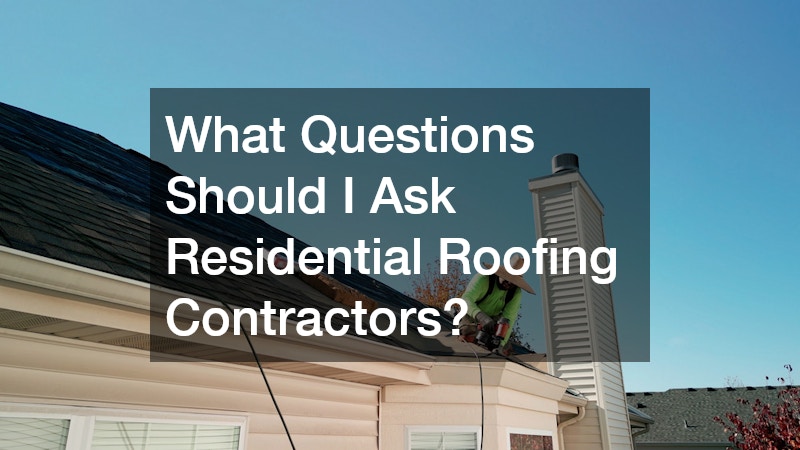
This article aims to guide homeowners in asking the right questions when hiring residential roofing contractors to ensure quality work and avoid potential pitfalls.
1. What Experience and Credentials Do You Have?
When it comes to roofing, experience is paramount. Hiring a contractor with substantial experience ensures that they have encountered various roofing issues and understand the complexities involved.
It’s important to ask how long the contractor has been in business and check their credentials to verify they have the proper skills and certifications. A contractor with industry-recognized certifications demonstrates their commitment to professional growth and quality service delivery. Additionally, reviewing customer testimonials and online reviews can provide insight into the contractor’s reputation and reliability.
Credentials are not merely a formality; they are crucial in determining a contractor’s expertise and reliability. Certifications indicate that a contractor has undergone rigorous training and adheres to industry standards. Moreover, experienced contractors often have affiliations with professional organizations, signaling their dedication to maintaining high standards. It’s advisable for homeowners to request references from past projects to evaluate the contractor’s performance firsthand. Gathering this information helps ensure that the contractor is capable of delivering quality work tailored to the homeowner’s specific needs.
Experience also directly correlates with a contractor’s problem-solving ability. Seasoned professionals can quickly identify issues and provide effective solutions, minimizing disturbance during the roofing project. Asking about their approach to overcoming challenges will give insight into how they handle unexpected problems. Inquire whether they have experience with the specific type of roofing required, as specialized roofs may necessitate specialized expertise. Ultimately, understanding a contractor’s experience and credentials can instill confidence in their ability to execute the project successfully.
2. What Is Your Process for Installation or Repair?
Understanding a contractor’s process for installation or repair is crucial for setting expectations and ensuring the project runs smoothly. A detailed explanation of their process helps homeowners anticipate the stages of work, from initial assessment to project completion. Inquire about the preparation steps the contractor takes before starting the project and what measures they implement to protect your property during the work. Different contractors might employ unique methodologies, so it’s beneficial to comprehend these approaches and their potential impacts. Additionally, clarify the timeline for the project to prevent any misalignment in expectations.
Communication is key throughout the roofing process. Determine how often the contractor provides updates on progress and who the point of contact will be for any inquiries. Reliable contractors will regularly communicate with homeowners, providing transparency and opportunities to address concerns promptly. Furthermore, ask about the contingency plans in place if weather conditions or unexpected issues arise, as these can significantly impact the timeline and cost. A proactive contractor will have a strategy to deal with these potential setbacks efficiently.
Safety and quality assurance are integral components of the process. Homeowners should clarify whether the contractor adheres to safety standards and what measures they undertake to ensure every aspect of the roofing installation or repair is up to code. It’s also valuable to know if the contractor handles debris cleanup and how they manage waste disposal, which can significantly affect the homeowner’s satisfaction with the project’s outcome. By thoroughly understanding the contractor’s process, homeowners can feel more secure and informed about what to expect during the roofing project.
3. What Warranties and Guarantees Do You Offer?
Warranties and guarantees offer a form of protection and peace of mind for homeowners, covering materials and workmanship over an agreed period. Inquiring about these assurances is crucial to safeguarding your investment and ensuring accountability from the contractor. Many reputable contractors offer warranties on both the materials used and the labor provided, which can prevent future expenses. It’s important to ask for details on the duration and conditions of these warranties to fully understand what is covered. Additionally, knowing the process for making a warranty claim is essential for resolving issues swiftly should they arise.
Covered repairs or replacements under a warranty can significantly alleviate the homeowner’s financial burden if defects are discovered post-completion. A clear understanding of warranty exclusions and the conditions that might void the warranty is also necessary to avoid misunderstandings. Guarantees for workmanship reflect the contractor’s confidence in their quality of work. This assurance underscores the importance of choosing a contractor who stands by their services and products. A strong warranty and guarantee policy often sets trustworthy contractors apart from less reliable ones.
Verification of warranty transferability when selling the home is another key consideration. Such discussions ensure that future owners can benefit from the warranty protection, potentially enhancing the property’s resale value. Homeowners should also inquire if regular maintenance is required to keep warranties valid, as neglecting stipulated upkeep might affect coverage. Addressing these aspects before the project commencement builds a foundation of trust and clarity between the homeowner and contractor. Overall, a solid warranty and guarantee plan can be a significant factor in deciding which roofing contractor to hire.
4. How Do You Determine Pricing?
Pricing transparency is a critical factor when selecting a roofing contractor. Understanding how a contractor determines their pricing allows homeowners to evaluate if the services align with their budget. Ask for a detailed breakdown of costs, including labor, materials, permits, and any other potential fees. A reputable contractor will provide a comprehensive quote, allowing homeowners to see exactly where their money is going. This transparency minimizes the risk of hidden costs surfacing later in the project.
Different contractors may have varying pricing models, influenced by factors such as the scale of the project and material choices. Inquiring about the reasons behind their pricing can help homeowners discern between premium and budget options. Estimates based on thorough evaluations tend to be more accurate and reliable. Ensure that the initial quote encompasses all expected expenses, and verify if there are conditions that could alter the final invoice. This clarity prevents financial surprises and enables better financial planning.
Finally, consider asking if the contractor offers any payment plans or financing options. These options can be beneficial for homeowners who are unable to pay the entire cost upfront. Financial flexibility can make higher-quality roofing projects more accessible, eliminating the need to compromise on essential aspects due to budget constraints. Thoroughly understanding a contractor’s pricing strategy ensures that homeowners can make informed decisions without encountering unexpected financial burdens. Armed with this knowledge, homeowners can confidently proceed with selecting a contractor who offers fair and reasonable pricing.
5. Are You Insured and Bonded?
Insurance and bonding are essential for protecting homeowners from potential liabilities or financial losses. Asking whether the contractor is insured and bonded verifies their legitimacy and commitment to ethical business practices. Contractors should possess general liability insurance and worker’s compensation insurance to cover any accidents or damages that occur during the project. Without proper insurance coverage, homeowners could be held liable for legal claims arising from mishaps on their property. Therefore, it’s crucial to request documented proof of insurance and ensure its validity.
Bonding offers an additional layer of financial protection, particularly if the contractor fails to fulfill their obligations. A bonded contractor guarantees compensation to the homeowner in case of incomplete work or contract breaches. The bonding process often involves rigorous vetting, reassuring homeowners about the contractor’s reliability and financial stability. Asking about the contractor’s bond status confirms they have undergone this scrutiny and possess the required funds to guarantee the quality of their work. Bonding, like insurance, is vital for mitigating risks associated with hiring contractors.
Moreover, verifying a contractor’s insurance and bonding boosts homeowner confidence, reinforcing the contractor’s credibility and trustworthiness. Contractors without these protections may offer lower prices, but the potential risks far outweigh any savings. Homeowners should consider these elements non-negotiable criteria when selecting a contractor. Requesting and validating insurance and bond certificates during the hiring process ensures that the homeowner is shielded from potential legal and financial complications. Ultimately, this prudent step promotes peace of mind, allowing homeowners to focus on achieving their desired roofing outcomes securely.
By asking the right questions, homeowners can ensure they hire a competent and reliable residential roofing contractor, leading to a successful project outcome. These inquiries offer a comprehensive understanding of the contractor’s experience, processes, warranties, pricing, insurance, and bonding, helping homeowners make informed decisions. Investing time in such due diligence not only protects against potential pitfalls but also ensures quality and satisfaction with the completed roofing project.