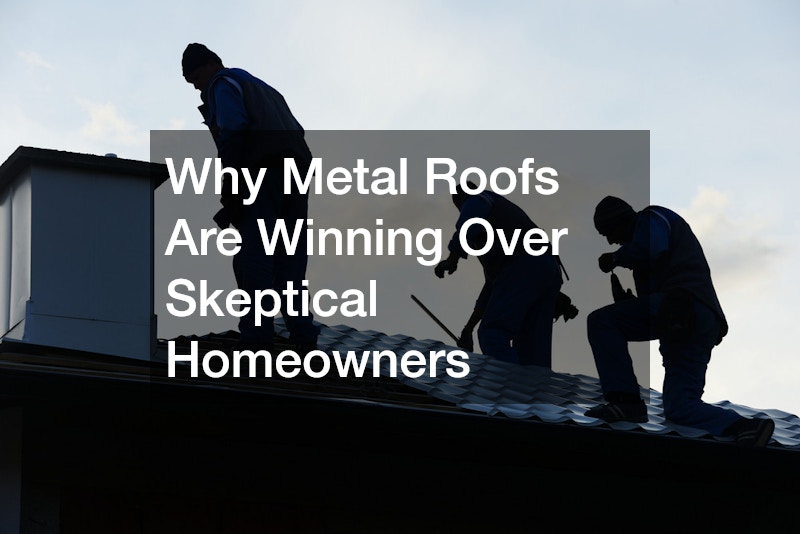
Choosing a new roof is one of the biggest decisions a homeowner can make, and for decades, asphalt shingles were simply the default. But a growing number of homeowners are taking a second look at metal, drawn by its longevity, energy savings, and improved appearance options. If you have been putting off a roof replacement because you assumed metal was too expensive, too noisy, or too industrial-looking, it is worth updating what you think you know. This article breaks down the real reasons metal roofing is winning over even the most cautious homeowners.
Lifespan Compared to Traditional Asphalt Shingles
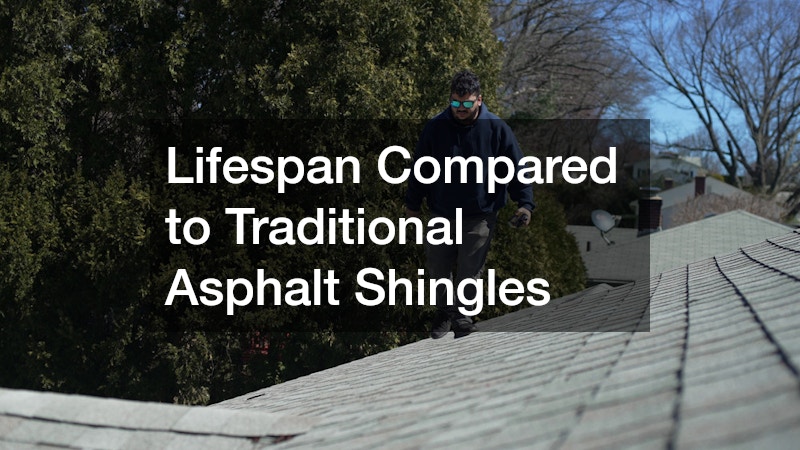
One of the biggest draws of metal roofing is simply how long it lasts compared to the material most homeowners grew up with. While a typical asphalt shingle roof needs replacing every 15 to 20 years, a properly installed metal roof can last 40 to 70 years, depending on the panel type and coating. That difference means many homeowners will only need to install metal roofing once in their lifetime, compared to replacing asphalt shingles two or three times over the same period. This longevity is a major reason skeptics warm up once they run the numbers over a decade or two.
The numbers make the case plain. A well-installed asphalt roof typically lasts 15 to 20 years, which means most homeowners will replace it two or even three times over a 50-year span. A metal roof, by contrast, routinely lasts 40 to 70 years, depending on the material and coating, often needing nothing more than periodic inspections and minor repairs.
That gap changes how homeowners think about return on investment. A roof that outlasts a mortgage, and possibly the time a family plans to stay in a home, starts to look less like an expense and more like a long-term asset. Some homeowners even factor the extended lifespan into resale calculations, since a metal roof can serve as a selling point rather than a looming replacement cost for the next buyer.
That shift in mindset is often the tipping point for people who were originally resistant to the higher upfront cost. When the math is spread across decades instead of a single purchase, metal roofing frequently comes out ahead of paying for two or three asphalt replacements over the same period.
Real Cost Differences Between Metal and Asphalt
Sticker shock is usually the first objection homeowners raise, since metal roofing typically costs two to three times more upfront than asphalt shingles. However, when you divide that cost over the roof’s expected lifespan, metal often becomes the more affordable option per year of service. Many residential roofing contractors can walk homeowners through a side-by-side cost comparison that factors in materials, labor, and expected maintenance over 30 or 40 years.
There are also savings that are easy to overlook in the initial sticker price conversation. Metal roofs typically qualify for lower homeowners’ insurance premiums due to their fire and impact resistance, and many utility companies offer rebates for reflective roofing that reduces cooling costs. These smaller savings add up steadily and often surprise homeowners who only budgeted for the installation itself.
- Higher upfront material and installation costs than asphalt
- Lower long-term cost per year due to extended lifespan
- Potential insurance discounts for fire and impact resistance
- Possible energy rebates for reflective or cool-roof coatings
- Fewer repair calls over the life of the roof
Energy Efficiency and Year-Round Comfort
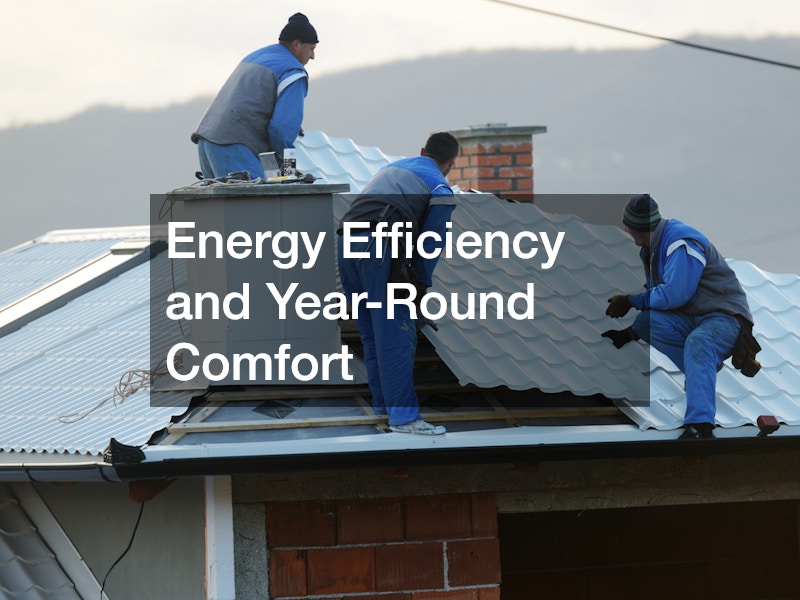
Metal roofing reflects a significant portion of solar radiant heat rather than absorbing it, which keeps attics and upper floors noticeably cooler in summer months. Homeowners in hot climates often report reduced air conditioning use after switching from dark asphalt shingles to reflective metal panels. In winter, metal roofing paired with proper insulation and ventilation performs just as well as other materials at retaining heat.
This efficiency is not just anecdotal. Cool-roof rated metal products are designed with reflective pigments that meet standards set by organizations like ENERGY STAR, and independent studies have shown reductions in cooling costs ranging from 10 to 25 percent, depending on climate and roof color. For homeowners already frustrated with high summer utility bills, this is often the detail that finally overcomes their skepticism.
Durability Against Severe Weather Conditions
Metal roofing holds up remarkably well against the kind of severe weather that damages or destroys asphalt shingles, including hail, high winds, and heavy snow loads. Most metal roofing systems are rated to withstand wind gusts of 140 miles per hour or more, which matters significantly for homeowners in hurricane-prone or tornado-prone regions. Snow and ice also slide off metal roofing more easily than they shed from textured shingles, reducing the risk of ice dam formation.
This resilience translates into fewer emergency calls for roof repair after major storms, which is a meaningful selling point for homeowners who have dealt with storm damage in the past. While no roof is entirely damage-proof, metal’s ability to shrug off conditions that would tear apart shingles is a large part of why insurance companies and residential roofing contractors alike consider it a lower-risk material.
Fire Resistance and Safety Considerations
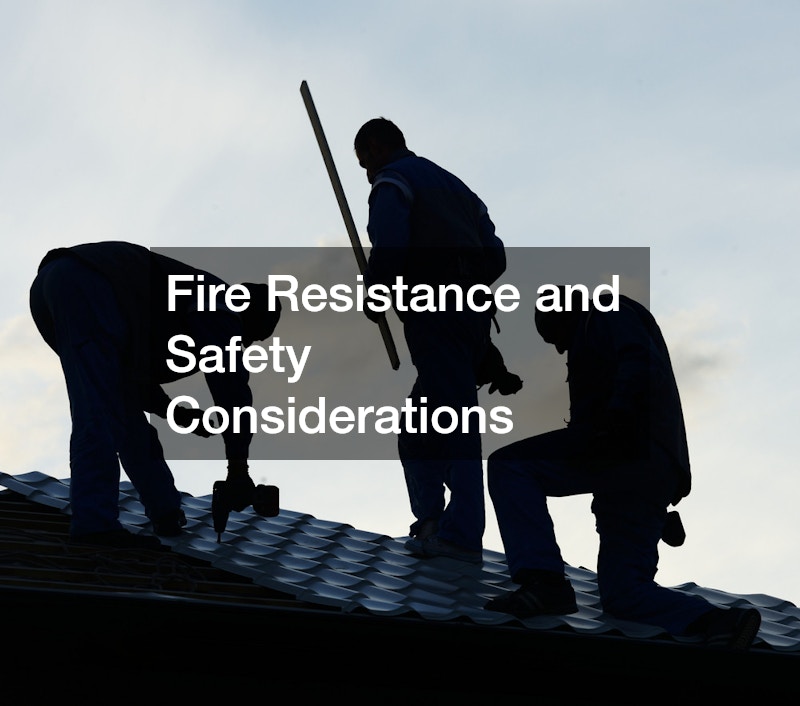
Because metal roofing is noncombustible, it carries a Class A fire rating, the highest available rating for roofing materials. This is an increasingly important consideration for homeowners in wildfire-prone areas of the country, where flying embers can ignite untreated wood shakes or aging asphalt shingles. A metal roof will not contribute fuel to a fire, which can make a measurable difference in how a structure fares during a wildfire event.
Beyond wildfire zones, fire resistance also matters for everyday risks like chimney sparks or neighboring structure fires. Homeowners who research fire safety ratings often find that metal roofing gives them one less thing to worry about, especially in dry regions where fire season is a recurring concern.
Noise, Weight, and Common Misconceptions
One of the most persistent myths about metal roofing is that it is unbearably loud during rain or hailstorms. In reality, modern metal roofing is installed over solid decking with insulation and underlayment layers, which significantly dampens sound compared to older barn-style metal roofs. Most homeowners report that rain on a properly installed metal roof is no louder than rain on asphalt shingles, and in some cases, it is quieter due to the added insulation layers.
Another common misconception is that metal roofing is too heavy for typical residential framing. Most metal roofing products are actually lighter per square foot than asphalt shingles, especially standing seam panels, which means most homes do not require structural reinforcement. Clearing up these misconceptions is often what finally convinces a hesitant homeowner to move forward.
- Modern installation methods significantly reduce rain and hail noise
- Metal panels are often lighter than multiple layers of asphalt shingles
- No structural reinforcement is typically needed for standard installations
- Reflective coatings reduce heat rather than trap it like dark shingles
- Standing seam and metal shingle styles look nothing like old barn roofing
Style Options That Fit Different Home Designs
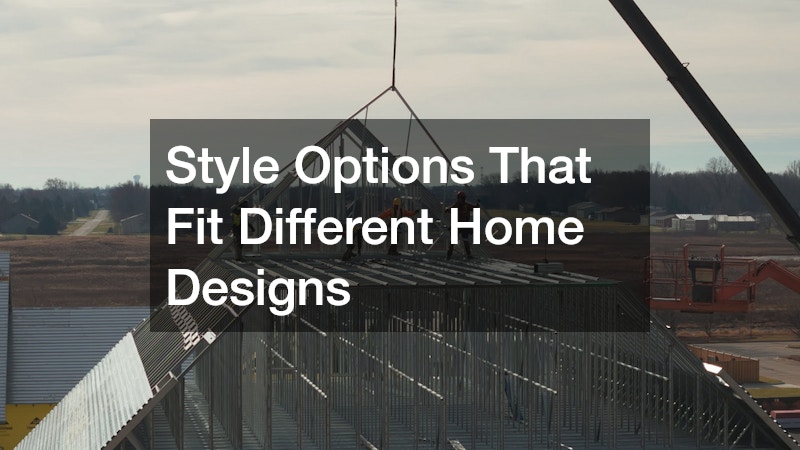
Homeowners who picture a shiny corrugated barn roof when they hear “metal roofing” are often surprised by how far design options have come. Metal roofing is now available in standing seam panels, metal shingles that mimic slate or wood shake, and stone-coated steel that closely resembles traditional asphalt. Color options have also expanded dramatically, with finishes designed to complement everything from historic colonial homes to modern farmhouse designs.
This variety means metal roofing services can now match nearly any architectural style rather than forcing homeowners into a single industrial look. Many manufacturers offer visualization tools that let homeowners preview different colors and profiles on a photo of their own house before committing. That level of customization has done a lot to soften resistance from homeowners who worried metal would clash with their neighborhood’s aesthetic.
Environmental Benefits Homeowners Often Overlook
Metal roofing is typically made from 25 to 95 percent recycled content, and at the end of its long lifespan, it is almost entirely recyclable rather than headed to a landfill. This is a sharp contrast to asphalt shingles, which are petroleum-based and historically difficult to recycle, though that is starting to change. Some regions now offer an asphalt shingle recycling service that diverts old roofing material into road paving projects, giving homeowners a more sustainable option even if they are not ready to switch to metal.
For environmentally conscious homeowners, the appeal of metal roofing goes beyond recyclability. Its long lifespan means fewer roofs manufactured, shipped, and installed over a given period, which reduces the overall environmental footprint tied to repeated roof replacements. Combined with energy savings from reflective coatings, metal roofing often appeals to homeowners looking to lower their household’s environmental impact without sacrificing performance.
Choosing a Qualified Installer for Long-Term Performance
Even the best metal roofing product will underperform if it is installed incorrectly, which is why choosing the right installer matters as much as choosing the material. Not every crew has specialized training in metal systems, since techniques like panel seaming, expansion allowances, and flashing details differ significantly from asphalt installation. Homeowners should ask directly about a metal roofer‘s hands-on experience rather than assuming general roofing skills automatically transfer.
Working with an experienced metal roofer also affects warranty coverage, since many manufacturers require certified installation to honor their full warranty terms. It is worth asking for references from past metal roofing projects, checking licensing and insurance, and requesting a written estimate that details panel type, gauge, and fastening method. Taking these steps up front prevents the kind of installation problems that give metal roofing an undeserved bad reputation.
- Ask about specific experience with metal panel systems, not just general roofing
- Confirm manufacturer certification if warranty coverage requires it
- Request references from completed metal roofing projects in your area
- Verify licensing, insurance, and written estimates before signing a contract
- Ask how the crew handles cutting, drilling, and sealing around penetrations like vents and skylights
Maintenance Needs Over the Life of the Roof
Compared to asphalt shingles, metal roofing requires relatively little maintenance, but “low maintenance” does not mean “no maintenance.” Homeowners should still schedule periodic inspections to check fastener tightness, sealant condition around penetrations, and any signs of scratched coating that could lead to corrosion over time. Keeping gutters clear and removing debris like leaves or branches also helps prevent moisture from sitting against seams.
Many homeowners find it worthwhile to set up ongoing roof maintenance services with a local provider, especially in the first few years after installation, when small adjustments are most likely needed. Local roofing professionals familiar with the regional climate can recommend an appropriate inspection schedule, whether that means checking the roof annually or after major storm events. Staying proactive with minor upkeep is what allows a metal roof to reach the upper end of its expected lifespan.
Finding Trustworthy Help in Your Area
Because metal roofing is still less common than asphalt in many neighborhoods, homeowners sometimes struggle to find a local roofer with genuine hands-on metal experience. Word of mouth from neighbors who have already made the switch is often more reliable than online ads, since it gives homeowners a chance to see the finished product in person. Local trade associations and manufacturer websites also maintain directories of certified installers by region.
When comparing options, it helps to get at least three quotes and ask each roofing company the same set of questions about materials, warranty, and timeline. A reputable local roofer should be willing to explain their process clearly, provide documentation, and answer questions without pressuring homeowners into a rushed decision. Taking the time to vet installers properly is one of the best ways to ensure a smooth, long-lasting result.
Metal roofing has earned its growing popularity through real, measurable advantages rather than passing trend appeal, from decades-long lifespan and energy savings to fire resistance and recyclability. Skeptical homeowners who take the time to compare true lifetime costs and clear up common misconceptions often find that metal makes more sense than they originally assumed. The next step is gathering a few detailed quotes, asking pointed questions about installer experience, and comparing options based on your home’s specific climate and style. With the right information and the right team, a metal roof can be one of the last roofing decisions you ever have to make.