

When homeowners consider investing in their properties, the discussion inevitably turns to the two rooms that dictate the vast majority of a home’s emotional and financial value: the kitchen and the bathroom. These spaces are no longer viewed merely as functional utility zones where meals are prepped and morning routines are rushed through. Instead, they are the ultimate value anchors of a modern piece of real estate. They are the spaces where families gather, where daily stress is washed away, and where potential home buyers spend the most time looking during an open house.
The greatest challenge of any major home improvement project is navigating the fine line between personal design preferences and strategic, equity-driven upgrades. It is easy to overspend on hyper-stylized trends that look beautiful on social media but quickly become dated or fail to appeal to the broader market. By understanding exactly where to allocate your budget, how to select materials that resist wear, and how to execute your project strategically, you can maximize your everyday livability right now while aggressively driving up your home’s long-term resale value.
Where Culinary Efficiency Meets High Home Equity
The kitchen is often called the heart of the home, and from an investment standpoint, it yields some of the most reliable returns on your dollar. To unlock this value, your strategy must begin with spatial efficiency and layout optimization. Even the most expensive materials will fail to impress if the underlying workflow is clunky. Designers frequently reference the classic work triangle—the distance between the refrigerator, the sink, and the cooktop. Minimizing steps between these three hubs ensures that cooking feels effortless rather than exhausting.
As you plan your layout, think carefully about the physical footprint. If you have a closed-off, isolated cooking space, you might consider knocking down non-load-bearing walls to merge the area with an adjacent living or dining room. This creates the modern Great Room layout that current buyers heavily favor. Open-concept spaces feel larger, let in more natural light, and allow the person preparing a meal to remain engaged with family members or guests.
Beyond the overall layout, maximizing value means focusing heavily on structural kitchen remodeling plans before you ever look at cosmetic finishes. It is a massive mistake to spend your entire budget on high-end decoration while leaving outdated infrastructure behind the walls. If your house has a few decades of history, you must ensure that your electrical panels can handle the heavy load of modern chef-grade appliances, induction cooktops, and high-speed convection ovens.
Furthermore, any layout adjustments that involve moving your sink, dishwasher, or refrigerator with an ice maker will require professional plumbing services to reroute the waste and supply lines safely. Investing in pristine hidden infrastructure guarantees that you will not face catastrophic leaks or code violations down the road. Once the layout is optimized and the behind-the-walls mechanics are sound, you can pivot to the visible structural elements that define the space.
- Prioritize deep pots-and-pans drawers with heavy-duty glides rather than traditional base cabinets with deep, dark shelves where items get lost.
- Incorporate a dedicated, walk-in pantry if space allows, or build out a floor-to-ceiling pantry cabinet to centralize dry goods storage.
- Incorporate plenty of dedicated electrical outlets along the backsplash, including hidden pop-up outlets on an island, to power small appliances without creating cord clutter.
- Plan for a multi-functional kitchen island that features overhang seating on one side, allowing it to double as a casual dining space and a homework station.
Choosing Built-to-Last Materials
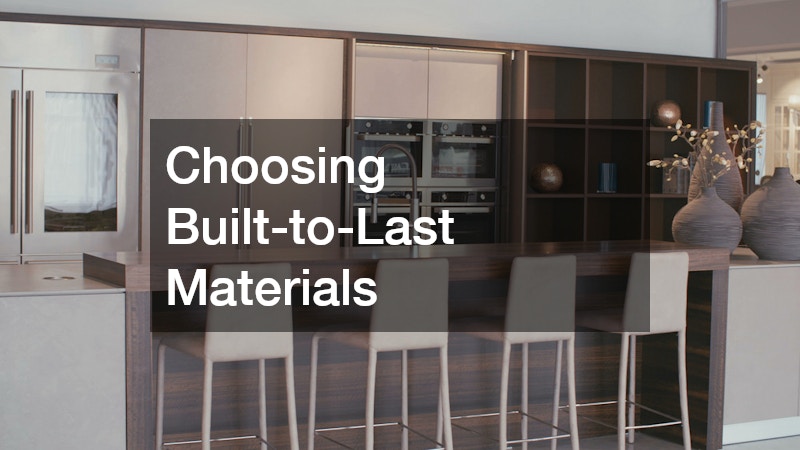
Once the bones of your space are set, your attention must turn to the heavy-traffic surfaces that experience daily wear, moisture, heat, and impact. The countertops and flooring you select will set the visual tone for the entire room, and they are the first things a visitor notice. When it comes to countertops, the modern real estate market rewards durability just as much as aesthetic appeal. While natural marble is undeniably beautiful, its porous nature makes it highly susceptible to etching from acidic foods like lemons or tomatoes, and it requires regular sealing.
For the absolute best return on investment, engineered quartz has largely taken the crown. Quartz is non-porous, highly resistant to scratching and staining, and requires virtually zero maintenance over its lifespan. When arranging your countertop installation, working with experienced professionals ensures that seams are practically invisible, corners are perfectly mitered, and cutouts for under-mount sinks are structurally sound. An under-mount sink configuration eliminates the traditional lip found on drop-in sinks, allowing you to wipe crumbs and moisture directly from the counter straight into the basin.
The floor beneath your feet requires an equally rigorous selection process. Kitchen and bathroom floors are constantly exposed to spilled liquids, heavy dropped items, tracked-in dirt, and aggressive cleaning chemicals. To ensure your investment retains its value for decades, avoid cheap sheet vinyl or easily scratched softwoods.
Instead, look toward porcelain tile flooring as the gold standard for high-traffic, wet environments. Porcelain is fired at much higher temperatures than standard ceramic tile, making it incredibly dense, completely waterproof, and highly resistant to chipping. Modern manufacturing techniques mean you can find porcelain that beautifully mimics natural stone, distressed hardwood, or industrial concrete, giving you total stylistic freedom without any of the structural vulnerabilities of those materials.
- Select large-format tiles to minimize the number of grout lines, which visually expands a small room and drastically cuts down on future cleaning maintenance.
- Always use a high-quality, stain-resistant epoxy or urethane grout rather than traditional cement-based grout to prevent discoloration over time.
- Choose a matte or slightly textured surface finish for your flooring to provide vital slip resistance when the surface inevitably gets wet.
- Extend your countertop material up the wall as a full-height slab backsplash to create a high-end, seamless visual look that is incredibly easy to wipe clean.
Elevating Organization and Style
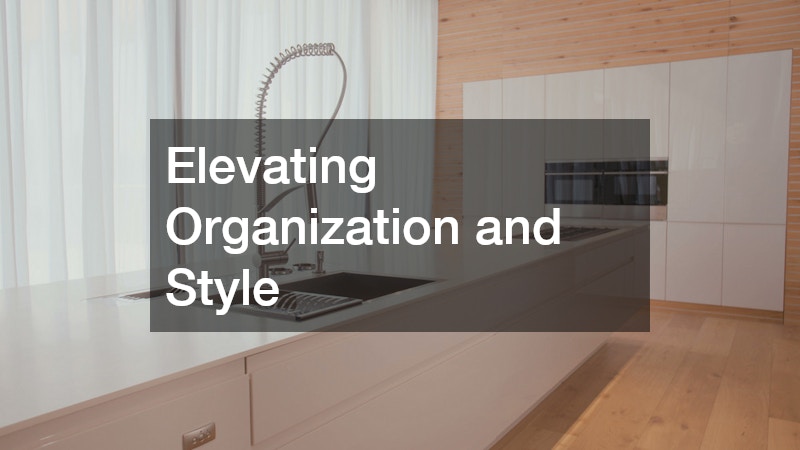
Storage space is one of the most psychological elements of residential real estate. When a potential buyer walks into a home and sees cluttered counters or jammed shelves, their immediate subconscious reaction is that the house is too small. Conversely, ample, well-organized storage space creates an immediate perception of abundance, luxury, and peace. Therefore, the architecture of your cabinetry is a fundamental driver of your remodeling ROI.
If your existing cabinet boxes are structurally sound, made of solid plywood, and feature a functional layout, you can sometimes get away with cosmetic refacing or painting to save money. However, if your current storage layout is inefficient, investing in custom cabinets will completely revolutionize how your kitchen functions. Tailoring your storage to your exact needs allows you to eliminate dead space completely. You can introduce specialized vertical cookie sheet dividers, pull-out spice racks right next to the stove, and integrated trash and recycling centers that keep unsightly bins completely out of view.
The installation of new cabinetry must be perfectly synchronized with the surrounding structural work. Cabinets must sit on a surface that is flawlessly level, straight, and stable. If your home has settled unevenly over time, hanging heavy wall cabinets or setting large base cabinets can lead to structural shifting, binding drawers, or misaligned doors.
This is why coordinating your cabinet timeline with professional floor contractors is so vital. These specialists ensure that your subfloors are completely flat, properly reinforced to handle the immense weight of stone counters and heavy wood boxes, and perfectly prepped so that the transition between your beautiful flooring and your base cabinetry is clean, flush, and seamless.
- Opt for timeless shaker-style or flat-panel doors rather than overly ornate, traditional raised-panel designs that can quickly make a space feel dated.
- Insist on soft-close mechanisms for all drawers and doors to prevent slamming, reduce wear on the cabinet frames, and provide a premium, quiet feel.
- Utilize blind-corner pull-out systems or lazy Susans to turn awkward, hard-to-reach corner spaces into highly functional storage zones.
- Run your wall cabinets all the way to the ceiling, capping them with crown molding, to eliminate the dusty, unused gap at the top and maximize your vertical storage square footage.
Crafting a Spa-Like Sanctuary for Maximum Return
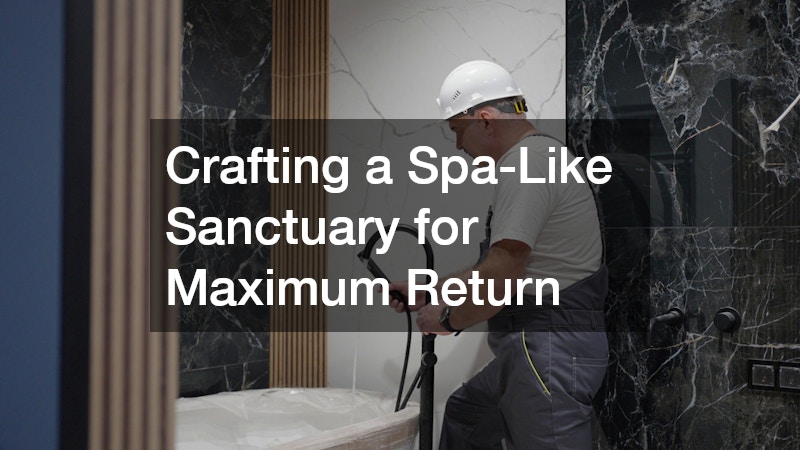
Moving from the culinary hub to the personal care spaces, the bathroom is your next major opportunity to build substantial home equity. In modern real estate, the primary bathroom is no longer viewed as a sterile room for basic hygiene; it is evaluated as a private sanctuary, a home spa where one can unwind at the end of a long day. If you want to achieve the highest possible return on your investment, your bathroom remodeling strategy should focus heavily on high-end comfort and clean lines.
One of the most significant shifts in modern design is the decline of the giant, built-in whirlpool bathtub. These bulky tubs take up a massive amount of square footage, require an immense amount of hot water to fill, and are rarely used by modern homeowners. Buyers today overwhelmingly prefer that square footage be repurposed into a massive, luxurious walk-in tile shower. A curbless, zero-entry shower design with a seamless glass enclosure instantly makes a small bathroom feel twice its actual size because it allows the eye to travel across the entire space without interruption.
As you upgrade your bathroom, it is also smart to look at the broader mechanical ecosystem of your home. A major renovation is the perfect time to address peripheral appliances that directly impact your comfort and utility bills. For instance, if your water heater is old and struggling to supply enough hot water for a multi-head luxury shower, or if your adjacent laundry machines are loud and inefficient, looking into timely appliance repair or replacement ensures your entire home runs like a well-oiled machine.
Ensuring your water delivery systems, exhaust fans, and surrounding appliances operate perfectly protects your new bathroom from moisture damage and guarantees a premium user experience.
- Install a dedicated, high-capacity exhaust fan tied to a humidity sensor, which automatically clears out steam to prevent mold and preserve your new finishes.
- Incorporate a built-in shower bench and a recessed niche for shampoo bottles to keep the shower floor completely clear of clutter.
- Focus on water efficiency by choosing high-pressure, low-flow fixtures that deliver a luxury experience while visibly lowering your monthly utility bills.
- If budget permits, consider dedicated floor heating mats beneath your floor tiles to provide gentle, luxurious warmth during cold winter mornings.
Lighting, Climate, and Color Dynamics
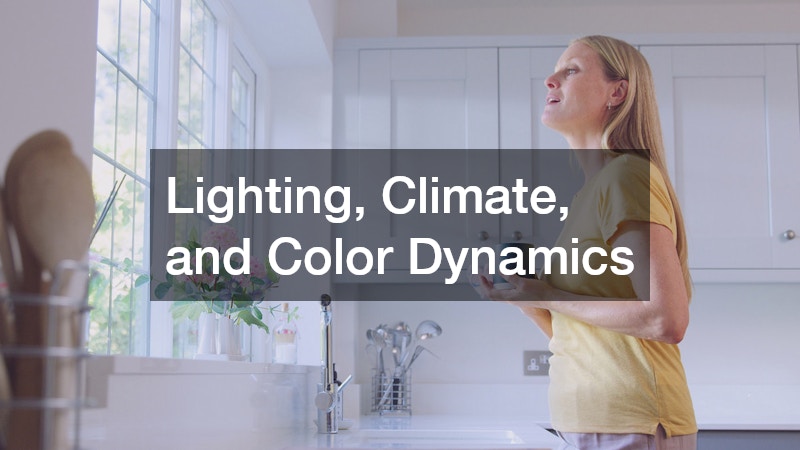
The heavy structural work, flooring, and cabinetry form the foundation of your renovation, but the final aesthetic and environmental layers tie the entire project together. Lighting is an incredibly powerful tool that can make or break the feel of a room. A single, harsh overhead light fixture will cast deep shadows and make a beautifully remodeled space feel cold and uninviting.
Instead, you should always design a layered lighting plan that features three distinct types of light: ambient lighting for general illumination, task lighting over work surfaces like the kitchen island or bathroom vanity, and accent lighting to highlight architectural details. To execute the final cosmetic phase with perfection, partnering with a skilled interior painting contractor is an investment that pays off by ensuring flawless wall preparation, perfectly crisp lines along your new tile backsplashes, and the use of specialized, moisture-resistant paint formulas designed to withstand the humid environment of a bathroom.
Beyond paint and lighting, climate control and environmental protection are crucial. Kitchens and bathrooms typically have large windows for natural light, but this light can incur significant hidden costs.
Ultraviolet rays through windows can fade custom wood cabinets, warp finishes, and increase solar heat gain, straining your air conditioning. High-quality residential window tinting allows natural light while blocking UV rays and reducing solar heat, keeping your renovated spaces comfortable and protected year-round.
- Choose a light, neutral paint palette for small or windowless bathrooms to maximize light bounce and create an airy, spacious atmosphere.
- Install LED light fixtures with a color temperature between 3000K and 4000K to ensure the light feels bright and natural rather than overly yellow or clinically blue.
- Place dedicated task lighting on either side of the bathroom mirror at eye level, rather than strictly above it, to eliminate shadows on the face when grooming.
- Ensure all switches are equipped with dimmers, allowing you to easily shift the mood from bright task-oriented workspace to soft, relaxing evening ambiance.
Embarking on a journey to rebuild your kitchen and bathroom is one of the most rewarding investments you can make in your property. By focusing your energy and budget on smart layout design, high-performance materials, and timeless aesthetics, you create a home environment that dramatically improves your daily quality of life while safeguarding your hard-earned equity. The secret to a highly successful remodel lies in a meticulous, step-by-step approach: addressing the hidden structural and mechanical elements first, selecting durable surfaces that can stand up to real-world use, and wrapping the entire project in a layer of flawless finishing details. When you balance everyday functionality with strategic, market-conscious decisions, you ensure that every dollar spent directly enhances the beauty, value, and lasting appeal of your home.