Maintaining a home is about more than just aesthetics—it’s about safety, comfort, efficiency, and long-term value. A well-kept home protects your investment, keeps your family safe, and reduces costly repairs over time. Yet, many homeowners find it challenging to keep track of all the systems, services, and maintenance tasks that a modern home requires. From plumbing to landscaping and pest control, there are a wide variety of home services that can make a significant difference in the daily comfort and long-term durability of a property.
This guide aims to provide practical, actionable advice across several key areas of home maintenance. You’ll find detailed tips for maintaining plumbing systems, enhancing energy efficiency, caring for your lawn and outdoor spaces, and protecting your home from pests. Each section offers insights that homeowners can implement themselves or use to guide professional service providers. By the end of this guide, you’ll have a clear plan for keeping your home in top condition, year-round.
Maintaining Your Home’s Plumbing System
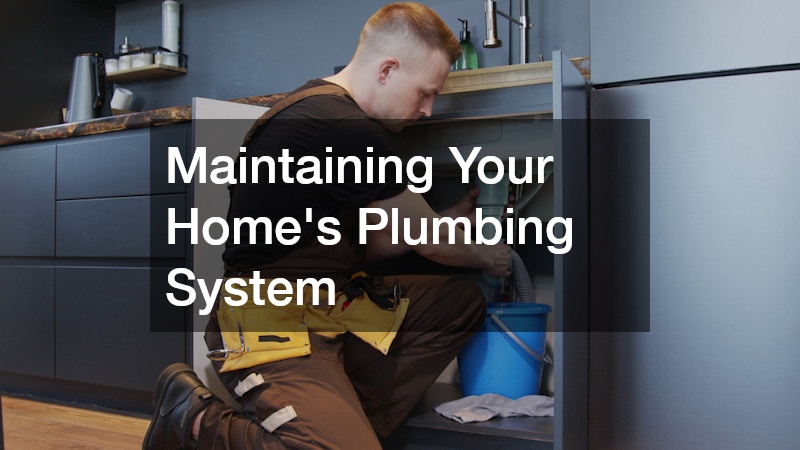
A reliable plumbing system is the backbone of a functional home. When it fails, even small issues can quickly become major headaches. Regular inspections and preventative care are essential to avoid costly repairs and maintain a clean, safe environment.
Some early warning signs of plumbing problems include:
- Slow or clogged drains
- Gurgling or unusual sounds in pipes
- Foul odors near sinks, toilets, or drains
- Sudden spikes in water bills
Regular septic system pumping is crucial for homes that rely on septic tanks. Homeowners should schedule pumping every 3 to 5 years, depending on household size and tank capacity. Ignoring this service can lead to backups, soil contamination, and extensive repairs.
Sewer line issues can be more challenging to detect but are equally important. Common signs include:
- Multiple drain backups in different areas of the home
- Sewer odors around the property
- Soggy patches in the yard
Preventative measures for sewer line services and maintenance include:
- Avoiding flushing non-degradable items
- Limiting grease disposal down kitchen drains
- Inspecting tree roots near pipes regularly
Professional services can help identify early-stage issues with cameras and pipe cleaning equipment, preventing major damage and protecting the home’s value. Combining regular inspections with these proactive measures will ensure your plumbing system remains reliable for years.
Improving Water Quality at Home
Water quality can vary widely depending on location, age of pipes, and municipal standards. Poor water quality can affect health, reduce the lifespan of appliances, and even impact taste and appearance. Installing a water conditioning system can address common issues such as hardness, sediment, or harmful minerals.
Key tips for improving water quality include:
- Testing water regularly to identify contaminants or pH imbalance
- Choosing a system based on water analysis, whether it’s a softener, filtration system, or combination unit
- Maintaining the system through regular cleaning, filter replacement, and professional inspections
- Considering additional treatments for specific concerns like iron, sulfur, or bacteria
Homeowners should weigh the cost of different systems against long-term benefits such as reduced plumbing wear, improved appliance efficiency, and enhanced water taste. Proper maintenance of water conditioning systems ensures that both drinking water and household appliances remain safe and functional.
Roofing and Exterior Protection
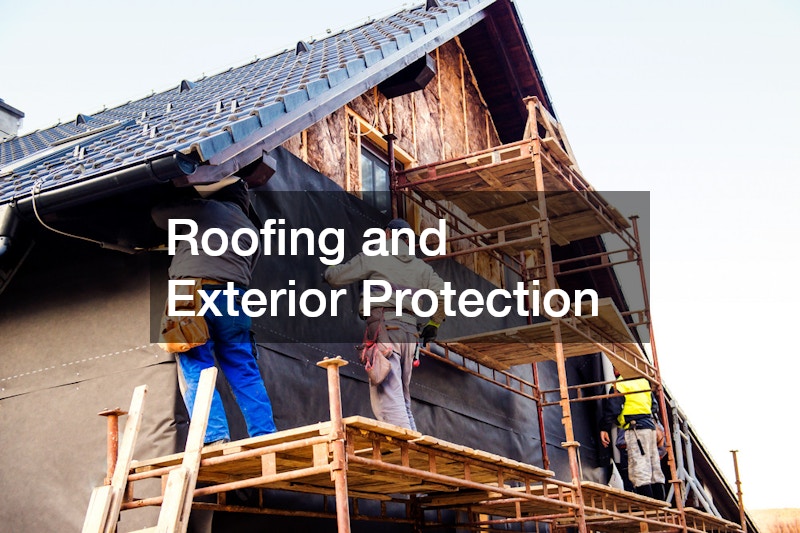
The exterior of your home is constantly exposed to weather, debris, and environmental wear. Roofs, siding, gutters, and other exterior elements require consistent attention to prevent leaks, structural damage, and aesthetic decline. Neglecting these areas can lead to expensive repairs, water damage, and even mold growth inside the home. A proactive approach to exterior maintenance not only protects your investment but also enhances curb appeal.
When evaluating your roof, consider these factors:
- Look for missing, cracked, or curling shingles, which can indicate aging or storm damage.
- Check for water stains in ceilings, walls, or attic spaces that may suggest leaks.
- Inspect flashing around chimneys, vents, skylights, and roof edges to ensure proper sealing.
- Examine gutters and downspouts for blockages or sagging that could redirect water toward the foundation.
Timely roof installation or replacement is a major step in preventing leaks and structural damage. When hiring professionals, ask about:
- Material types and durability—such as asphalt shingles, metal roofing, or composite tiles
- Warranties and coverage for both materials and labor
- Previous project experience and customer reviews
- Proper ventilation and underlayment to prolong roof lifespan
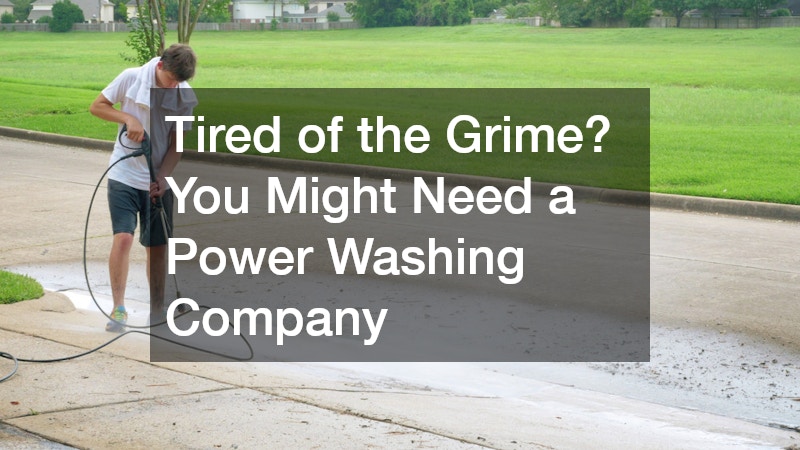
Beyond roofing, maintaining other exterior elements is equally important. Pressure cleaning is a highly effective way to remove algae, moss, dirt, and grime from siding, driveways, decks, and patios. Regular cleaning with a pressure cleaning company offers several benefits:
- Reduces mold and mildew growth, which can damage wood and siding
- Improves curb appeal, making homes look fresher and more inviting
- Prevents long-term surface degradation caused by dirt accumulation
In addition to pressure cleaning, seasonal maintenance can make a significant difference, particularly in regions with extreme weather:
- Trim back overgrown trees and shrubs that can scratch siding or damage gutters
- Inspect and repair exterior caulking around windows, doors, and siding
- Clear debris from valleys, chimneys, and roof edges to prevent water buildup
Homeowners can also take preventative steps such as checking attic insulation to avoid ice dam formation in winter or ensuring that the soil around the foundation slopes away from the house. These measures, combined with timely professional inspections, protect both the structure and the interior of the home. A comprehensive exterior maintenance plan ensures longevity, reduces unexpected costs, and keeps the property safe and visually appealing.
Garage and Entryway Maintenance
Garage doors are often overlooked, yet they play a critical role in home security, convenience, and energy efficiency. Many homeowners only address issues when the door fails entirely, which can lead to safety risks and costly emergency repairs. Proactive maintenance can prevent these problems and extend the life of your garage door.
Signs that a garage door needs attention include:
- Noisy or jerky operation during opening or closing
- Doors failing to open or close completely
- Visible damage to springs, panels, or tracks
- Malfunctioning safety sensors
Homeowners can perform some basic maintenance themselves:
- Lubricate rollers, hinges, springs, and other moving parts to reduce friction and noise
- Clean tracks to remove dirt, debris, or small stones that can cause alignment issues
- Test safety sensors to ensure the door stops and reverses if an obstruction is detected
- Tighten loose bolts or hardware to prevent mechanical problems
For complex repairs, especially issues involving springs or electrical components, hiring a professional for garage door repair is strongly recommended. Professionals ensure safety compliance, proper alignment, and durable fixes. Regular maintenance not only reduces the risk of accidents but also keeps the door operating smoothly, avoiding disruptions in daily routines. In addition, professional inspections can identify potential issues before they escalate, saving homeowners money and minimizing inconvenience.
Entryways themselves also benefit from regular attention. Clean and inspect doors, frames, and locks, and address weatherstripping that may be cracked or missing. Maintaining these areas improves security, prevents drafts, and contributes to the overall energy efficiency of the home.
Heating, Cooling, and Indoor Comfort
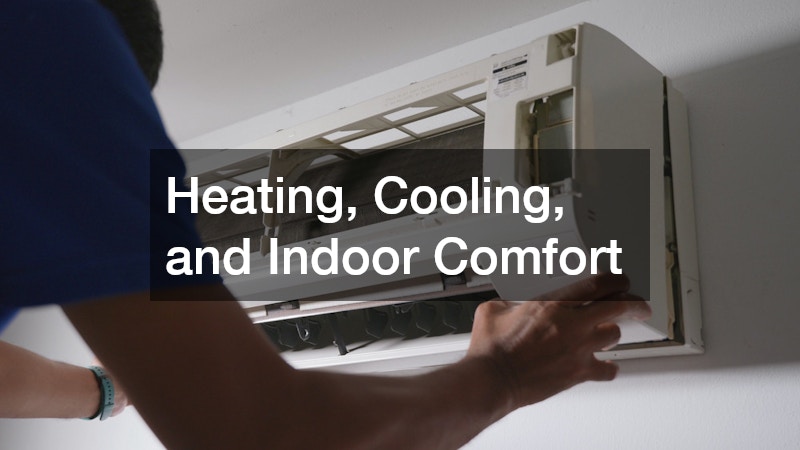
An efficient HVAC system is critical for maintaining comfort, air quality, and energy efficiency throughout the year. Poorly maintained systems can lead to uneven temperatures, high energy bills, and costly repairs. Even minor issues, if ignored, can snowball into significant problems that disrupt daily life.
Homeowners can follow these best practices to maintain their HVAC systems:
- Replace or clean air filters every 1–3 months to ensure proper airflow and reduce allergens
- Inspect ducts for leaks or gaps and seal them to prevent energy loss
- Clean vents and registers to remove dust and debris, improving air quality
- Check thermostat functionality and consider programmable options to optimize energy use
A certified HVAC contractor can perform more thorough inspections that include:
- Measuring refrigerant levels and identifying leaks
- Checking electrical connections for safety and efficiency
- Cleaning coils and internal components to maintain optimal operation
- Evaluating overall system performance and recommending upgrades if needed
Energy-saving strategies can complement HVAC maintenance:
- Seal cracks or gaps in windows, doors, and exterior walls to reduce heat transfer
- Use zoning systems or smart thermostats to control temperature in specific areas
- Schedule maintenance before extreme seasons to prevent emergency repairs during peak use
By combining routine DIY care with professional inspections, homeowners can ensure their HVAC systems operate efficiently, last longer, and provide consistent comfort year-round.
Enhancing Home Energy Efficiency
Proper insulation is one of the most effective ways to reduce energy loss, improve indoor comfort, and lower utility costs. Insufficient insulation can lead to drafts, temperature inconsistencies, and excessive heating or cooling expenses. Identifying problem areas and addressing them can yield immediate and long-term benefits.
Common areas for improvement on your home insulation include:
- Attics, which often account for significant heat loss in winter
- Basements and crawl spaces, which may allow cold air or moisture to enter
- Exterior walls, especially in older homes without modern insulation standards
- Around windows, doors, and ductwork where gaps often occur
Homeowners can enhance insulation by:
- Using thermal imaging or draft detection tools to identify leaks
- Installing climate-appropriate insulation, such as spray foam, fiberglass, or cellulose
- Sealing gaps and cracks around doors, windows, and ductwork with caulk or weatherstripping
For minor upgrades, DIY insulation projects can improve comfort and efficiency, such as adding weatherstripping or insulating small sections of exposed ductwork. For larger areas or specialized insulation types, professional installation is recommended to ensure proper coverage and compliance with building codes. Well-installed insulation not only maintains temperature consistency but also reduces moisture intrusion, mold risk, and overall energy consumption.
Landscaping and Lawn Care Essentials
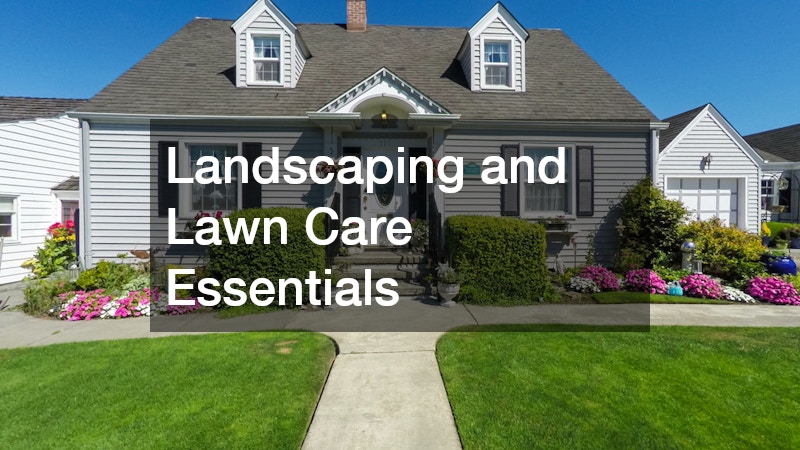
A well-maintained lawn and landscape add significant value to a home, improving both aesthetics and property health. Lawn maintenance requires careful attention to seasonal changes, soil health, and pest prevention. Properly cared-for lawns prevent soil erosion, promote strong root growth, and create a safe environment for outdoor activities.
Key tasks for effective lawn care include:
- Mowing to the appropriate height for grass type, which encourages deep root growth and reduces stress on the lawn
- Aerating and dethatching to relieve soil compaction and allow nutrients, water, and air to reach the roots
- Fertilizing based on grass type, soil composition, and seasonal needs
- Consistent and efficient watering, ideally early in the morning or late afternoon to minimize evaporation
Homeowners should also monitor for signs of lawn problems, such as:
- Yellowing, thinning, or bare patches that may indicate nutrient deficiencies or overuse
- Pests like grubs or insects that can damage grass roots
- Soil compaction or water pooling that inhibits healthy growth
Corrective measures may include targeted fertilization, overseeding, soil amendments, or pest treatments. Beyond practical lawn care, landscaping also benefits from maintaining trees, shrubs, and flower beds. Regular trimming, mulching, and seasonal planting keep the property visually appealing and help prevent overgrowth that can damage structures or impede drainage. Consistent attention ensures a lush, healthy yard year-round, providing both beauty and functional outdoor space.
Protecting Your Home from Pests
Pests can compromise health, safety, and the structural integrity of a home. Proactive measures and early detection are key to preventing infestations and minimizing damage.
Common preventative strategies include:
- Sealing cracks, gaps, and entry points around doors, windows, and foundations
- Proper storage of food and waste to reduce attraction to insects or rodents
- Regular inspections for termites, ants, rodents, and other pests
- Keeping outdoor areas clean and free of standing water or debris that can harbor insects
For recurring or severe infestations, hiring a professional pest control company is essential. Professionals can:
- Provide targeted treatments based on the type of pest
- Monitor for re-infestation and implement long-term prevention strategies
- Apply safe, eco-friendly solutions to minimize chemical exposure
- Advise homeowners on modifications to reduce attractants and access points
In addition to chemical treatments, integrated pest management approaches combine sanitation, physical barriers, and preventive maintenance to reduce pest problems sustainably. Early action saves both time and money while ensuring a safe living environment for families.
Coordinating Multiple Home Services
Managing multiple home services can quickly become overwhelming without a plan. Homeowners who coordinate tasks efficiently reduce the risk of overlapping work, unnecessary expenses, and missed maintenance opportunities.
Practical tips include:
- Creating a yearly maintenance calendar to track seasonal and routine tasks
- Prioritizing services based on urgency or potential damage, such as plumbing or roof inspections before landscaping work
- Vetting service providers through reviews, certifications, and insurance verification
- Maintaining records of completed services, warranties, and maintenance notes for easy reference
Effective coordination also includes planning around professional schedules and DIY projects. Grouping tasks, such as exterior cleaning, roof inspection, and gutter maintenance, can save time and reduce service costs. Combining professional services with personal upkeep ensures that every aspect of the home remains in top condition, protecting the investment while keeping daily routines uninterrupted.
A well-maintained home is the result of consistent effort, planning, and informed decision-making. By understanding the various systems that support a home—from plumbing and HVAC to landscaping and pest prevention—homeowners can take proactive steps to protect their investment.
Integrating routine maintenance, seasonal checks, and professional services provides both immediate benefits, such as comfort and safety, and long-term advantages like reduced repair costs and increased property value. Whether addressing small repairs or planning major upgrades, a structured approach ensures that every aspect of a home remains functional, efficient, and enjoyable for years to come. Taking these steps empowers homeowners to create a safe, comfortable, and well-cared-for living environment that stands the test of time.